The Cloud Has No Mercy
Why we traded 56k dial-up frustration for automated digital hostage situations.
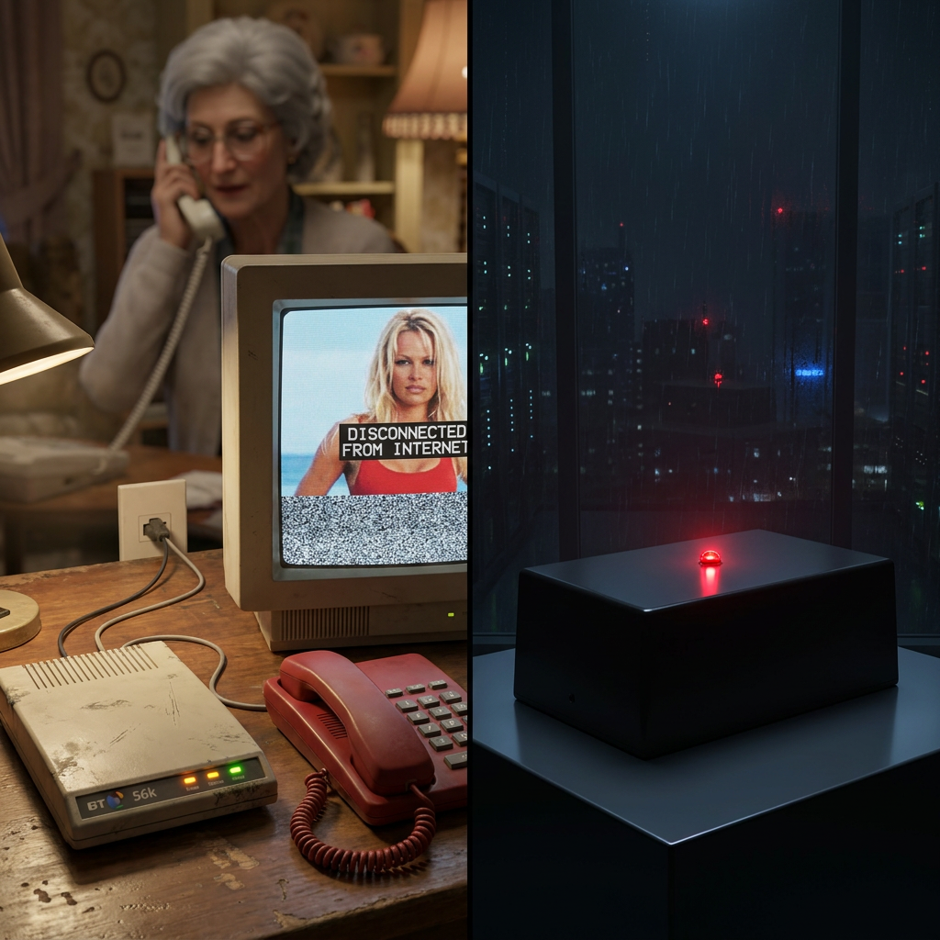 Figure 1: Trading the agony of a 56k dial-up interruption for the looming dread of the infinite, faceless server farm.
I was considering what it must be like for today’s generation of users, navigating technology while quite rightly taking it for granted. If you asked half of them how a file magically appeared on the screen of the device they are holding, they’d shrug and say, “Well, Jason sent it — duh!” The other half are actively plotting world domination from a handed-down iPhone.
To go off topic slightly but it fits the timeline although I am tempted to take it out and make it a separate read, but readers of a certain age may enjoy the diversion.
Nostalgia — aww, do you remember when…? Wasn’t the music… It was the best time ever, it will never be beaten, life was far simpler.
Er no, I barely remember, the music is always good except for the 1980’s and I’m including fashion in that, it wasn’t the best time ever, and yes if you mean life was tediously boring with 3 TV channels, having to watch multiple episodes of the most depressing soap operas in history multiple times in the same day, it’s no wonder I developed a near identic memory — there was very little actually going on.
I suffer from chronic cluster headaches from aged 30ish onwards probably caused by someone at my school breaking my neck, A 16-year-old, 4 years ahead of me, picked me up by my head and swung me around. I felt 2 clicks in my neck and was left on the floor not moving. Not knowing any better my school friends picked me up and carried me to the matron’s office. Long story short I was in a neck brace for a year, got excused from any sport at school and ended up in the library or computer room if they were unlocked. Computers were not switched on of course but still to be trusted to be in the most expensive room in the school was a bonus… or was it?
Quick diversion as this is probably the single funniest thing to ever happen at that school. The day I got carried to the matron’s office, my parents were called and my mum arrived first and as you would expect went crazy, I was just sat there unable to move watching this play out. Quite a crowd was building outside the matron’s office. My mum was being calmed down by the deputy head (worst thing he could have done to be honest), quite a feared teacher and about the same height as my mum. When suddenly, my dad burst through the double doors straight from work (No mobile phones back then so he got a third hand message and didn’t know what to expect). They were both shaking when they saw me. The matron had not called an ambulance or done anything other than given me a hot cup of tea.
To this day what happened next, I can remember word for word — the exact beat of what was said and the cheer that went up at the end from the entire sixth form who were still listening from outside the office, and before this moment I only heard about the teacher’s reputation from other kids.
My dad was about a head taller than this guy who had to look up as my dad was standing close to him and spoke
“You were a f*cking little Hitler when I was here, and you still are a f*cking little Hitler….you c*nt! Right, we’re off…”
He picked me up and we went straight to Accident & Emergency at the hospital. When my dad said this the entire sixth form crowd erupted in a massive cheer — no one liked this guy.
That was quite a diversion and unexpected turn for this article but simply for the one-line insult it was worth it and of course for the near Oliver Twist experience living through the 1970’s and 1980’s in a very nice village in Hertfordshire, 21 miles away from Central London.
I was the only pupil in the entire school to ever at that time be placed on Work Experience in London, quite a thing to be honest and it was with a computer Company called ICL — had no idea what they did as internet didn’t exist and no phones. I did have a computer at this point but was still under the impression that I had to learn to be a quick typist as the programs I found in magazines were way too long for me to type it in before the C15 tape ran out. I mean why weren’t computers allowed to use a C60 or C90 cassette tape? (for those that know will immediately see how my logic was flawed about the tape running out) But there was literally no information apart from a programming book my Godfather brought for me titled
“The Century Computer Programming Course for the ZX81 and Spectrum”
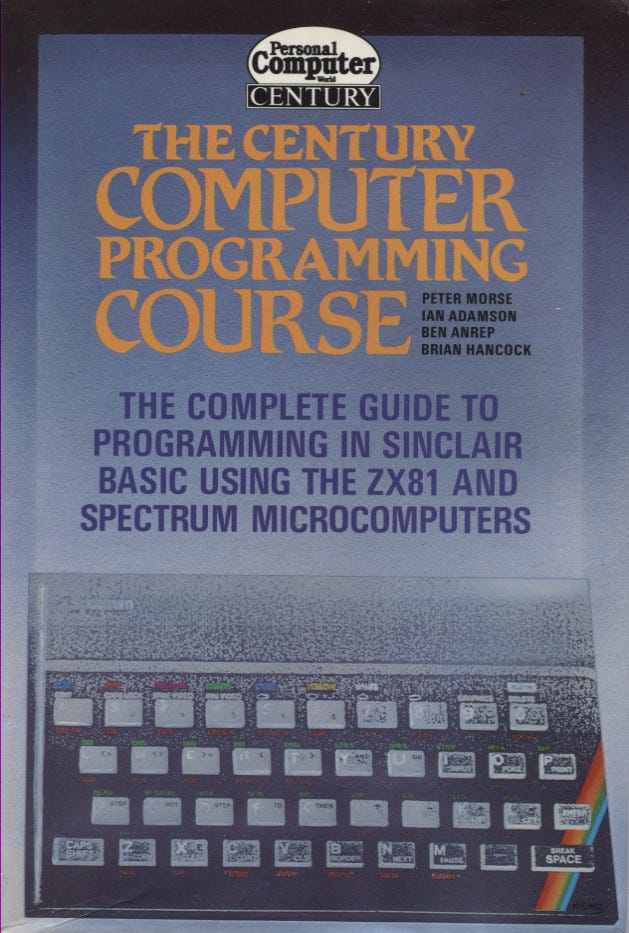 Figure 2: A 570 page amazing book if I had a ZX81, which I didn’t
which was very handy for someone that had a Commodore 16 and no clue there were different versions of BASIC. I was using it as a riser for an overheating laptop until last year.
Back to the main piece.
I guess they never had the baggage of downloading a single image over a 56k modem from CompuServe or MSN. They don’t know the absolute heartbreak of your mum picking up the landline at 99% completion, completely ignoring those repeated, desperate pleas: “I know it’s your phone and you pay the bill, but please do not make any calls for the next five hours!”
It was right around that point — somewhere near the start of three decades deep in SQL databases — that I changed my entire trajectory. The singular goal? To never have to worry about that kind of expense or limitation ever again. We wanted to build systems that were faster, better, and limitless.
But just as a piece of ancient vellum will comfortably outlast a carefully curated collection of 8,000 decaying DVDs, our technological trade-offs are rarely what they seem. We successfully eliminated the agonizing wait times and the physical friction of the 90s, but we replaced them with something much more insidious: the Cloud and AI.
Some genius came up with the idea of limitless, instantly accessible compute, and it is glorious — right up until the moment it threatens to literally bankrupt you. They don’t even have the decency to invoice you upfront; you pay the bill after the algorithms have had their fun.
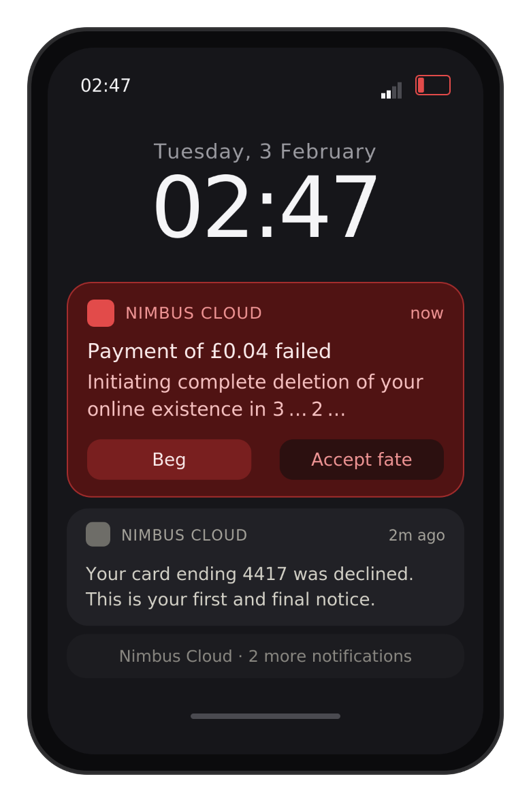 Figure 3: Nimbus was the computer used at my school in 1986. It had a 10MB Winchester Hard Drive. I had to include a picture of that beast at the end of the article.
Between various Max subscriptions and managed cloud services, we have entered an era of unprecedented ruthlessness. If the money isn’t in that account the exact millisecond they check, they cut you off. They make unveiled threats to wipe your entire online history so quickly it makes your head spin. I mean, there should be a Nobel Prize for customer service this aggressively efficient. Even when you die, your loved ones don’t get processed with that kind of cold, calculated precision.
Therein lies the danger of the “Jason sent it” mindset. When we abstract away the hardware and stop questioning how the underlying infrastructure actually works, we lose control. We traded the physical annoyance of dropped connections for a world where a faceless billing algorithm acts as an unforgiving landlord over our digital lives.
The lesson here isn’t to go backwards, but to look beneath the hood. Understand the compute cycles you are spinning up. Keep a grip on your data sovereignty, because renting infinite power means you can be evicted in a heartbeat.
Still, I suppose I should be grateful. At least I never had to punch little holes into a card and wait overnight to see if it had worked, just praying the mainframe hadn’t eaten the entire batch by morning…
Or Fought in a War,
Or had an AOL subscription
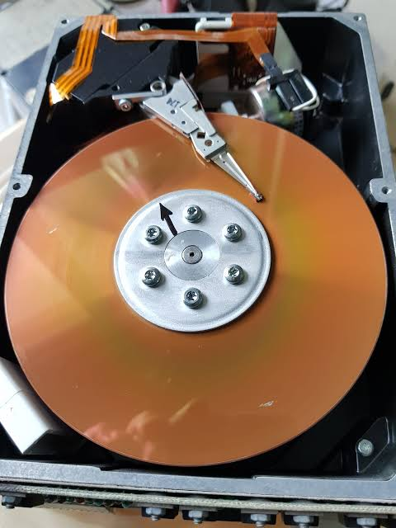 Figure 4: The 1986 RM Nimbus Winchester 10MB Hard Drive. A glorious, heavy beast that safely held less data than a single modern smartphone app notification.
If this was interesting, a few claps help other people find it. Follow me for more on Data.